Shopping Bag
No products in the cart.

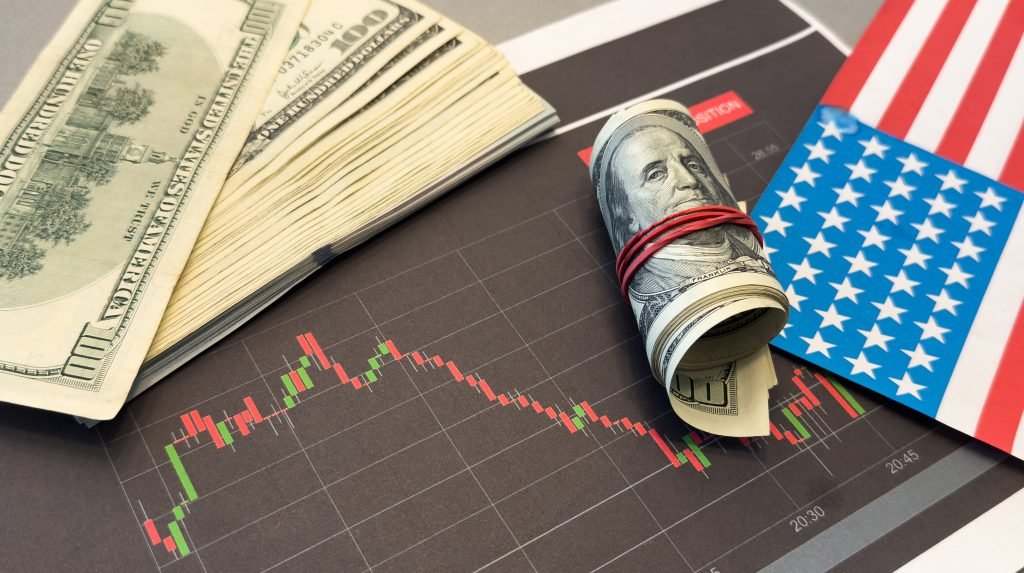
Because the U.S. greenback loses buying energy and its share of worldwide reserves contracts, gold has responded with a historic surge. On March 31, 2026, spot gold trades round $4,600–$5,200 per ounce after reaching over 50 all-time highs in 2025. This isn’t a coincidence—the inverse relationship between these two property is reshaping how buyers take into consideration wealth preservation and portfolio development.
In 2026, gold costs have consolidated after a exceptional run. The dear metallic peaked above $5,600 in January earlier than pulling again, whereas the U.S. Greenback Index has retreated following a robust 2022–2024 efficiency. Overseas buyers and home market contributors alike are questioning the greenback’s long-term energy.
Gold is priced in {dollars} globally. When the greenback weakens, gold turns into cheaper for holders of different currencies, boosting demand and pushing costs increased. Conversely, a stronger greenback makes gold dearer internationally and sometimes dampens demand.
This conventional inverse relationship isn’t mechanical. In the course of the 2020–2024 interval, each the DXY and gold rose at occasions as buyers concurrently feared inflation, recession, and geopolitical escalation. The previous 20 years present that gold responds to a broader set of variables past pure forex strikes.
The U.S. greenback grew to become the core of the worldwide economic system after World Conflict II by means of the Bretton Woods settlement of 1944. Even after the 1971 finish of gold convertibility, it remained the dominant reserve forex and the first car for international commerce settlement.
Key milestones undermining unquestioned USD dominance embrace:
| 12 months | Occasion | Impression |
|---|---|---|
| 1971 | Nixon suspends dollar-gold convertibility | Pure fiat currencies emerge |
| 1999 | Euro introduction | First credible various reserve forex |
| 2008-2009 | World Monetary Disaster | Issues about U.S. monetary stability |
| 2014+ | Russia/China non-USD power commerce | Oil priced in rubles/yuan |
| 2022+ | Western sanctions on Russia | Accelerated reserve diversification |
The measurable proof is stark: the greenback’s share of disclosed international reserves fell from roughly 71% in 1999 to round 56–57% by 2025. The euro, yuan, and gold holdings all rose throughout this era.
De dollarization means a structural shift in how nations settle monetary transactions, denominate debt, and maintain reserves. It doesn’t imply an in a single day collapse.
The greenback’s latest volatility stems from a number of structural points that transcend regular market cycles.
Fiscal considerations: The U.S. maintains persistent twin deficits (fiscal and present account), and the nationwide debt has surpassed earlier peaks as a share of GDP. Frequent debt-ceiling standoffs and political polarization undermine confidence in coverage stability.
Unfavorable actual charges: Intervals when inflation outpaces nominal yields erode the greenback’s buying energy and make holding dollar-denominated property much less engaging.
Sanctions threat: Heavy use of the greenback system in sanctions—notably towards Russia after 2022—has prompted nations to cut back reliance on USD property. This safety service mechanism has develop into a cloth consider central financial institution choices.
Competitors: Rising options from the Chinese language yuan, euro, and local-currency commerce blocks (like BRICS initiatives) proceed to chip away at greenback dominance.
Overseas official holdings of U.S. Treasuries have trended down from over 50% of the entire market pre-2008 to round 30% by early 2025, growing U.S. reliance on home patrons.
As central banks and personal buyers search for property impartial of any single authorities, gold has re-emerged as a core reserve and portfolio asset.
Central banks favor gold for a number of causes:
Central financial institution gold purchases have been at report or near-record ranges in years like 2018, 2022, 2023, and 2024, with sturdy central financial institution shopping for persevering with by means of 2025–2026. China, Russia, Türkiye, India, and several other Center Jap and ASEAN nations have led sustained reserve accumulation.
For a lot of rising markets, gold’s share of complete gold reserves has roughly doubled over the previous decade—from low single digits to round 8–10% in combination.
Even after formal gold requirements ended, substantial gold holdings present sensible advantages for policymakers:
Whereas no main economic system plans a strict return to the classical gold commonplace, some are experimenting with gold-linked monetary devices and settlement preparations. Russia’s lean on gold and non-USD settlements after 2022 offers a concrete instance of this pattern.
When confidence within the greenback falls or its buying energy erodes, buyers usually rotate into gold, pushing costs increased. This sample has repeated throughout a number of cycles.
Historic patterns:
A weaker greenback operates by means of a number of transmission mechanisms:
In late March 2026, spot gold round $4,600 sits practically 50% increased than a 12 months earlier regardless of the latest pullback from January peaks.
Since round 2010, there have been notable durations when each the Greenback Index and gold moved increased concurrently. Throughout these phases, gold reacts much less to FX strikes and extra to:
Throughout elements of 2022–2023, the greenback strengthened on aggressive Federal Reserve hikes whereas gold additionally held agency as a result of buyers feared inflation, recession, and geopolitical escalation concurrently.

The dollar-gold relationship is mediated by rates of interest, inflation expectations, and geopolitical shocks somewhat than a mechanical one-for-one hyperlink.
Financial coverage: Federal Reserve charge cuts cut back the chance price of holding non-yielding gold. The Fed’s shift to an easing bias in 2026, with anticipated charge cuts, factors to a weaker USD going ahead.
Inflation: Sustained inflation erodes greenback buying energy however lifts gold as a hedge. Inflation expectations drive demand for gold as fiat currencies lose worth.
Actual rates of interest: Decrease or adverse actual yields make gold comparatively extra engaging in comparison with bonds and different asset class choices.
Geopolitics and sanctions: Wars, sanctions, and commerce conflicts set off safe-haven flows into gold. The financial influence of those occasions usually accelerates de dollarization efforts.
| State of affairs | Impression on USD | Impression on Gold |
|---|---|---|
| Fed charge cuts | Weakens | Rises |
| Rising inflation | Weakens | Rises |
| Geopolitical shock | Blended | Rises |
| Robust financial development | Strengthens | Pressured |
Official-sector habits is now a serious swing issue for gold costs, usually overshadowing retail demand.
World Gold Council surveys within the mid-2020s confirmed round 40–45% of central banks planning to extend gold holdings, whereas many anticipated USD reserves to say no. This sustained central financial institution demand tightens obtainable provide within the bodily market and shifts long-term worth expectations.
Any sudden reversal—widespread central financial institution promoting—could be a serious bearish threat issue for gold.
Most buyers maintain property and earnings streams tied to the greenback immediately or not directly. Shifts in USD energy and gold costs have sensible portfolio penalties.
Key portfolio issues:
Traditionally, modest allocations to gold (5–15% of a diversified portfolio) have usually improved risk-adjusted returns during times of excessive inflation, adverse actual charges, or extreme drawdowns in shares and bonds.
Necessary dangers to think about:
A number of automobiles exist for gaining gold publicity, every with completely different threat, price, and information necessities.
Bodily bullion (bars and cash) affords direct possession however requires safe storage. It’s probably the most tangible type of the commodity however comes with sensible issues.
Gold backed ETFs and ETCs observe spot costs and provide liquidity and comfort. These monetary devices introduce counterparty threat however remove storage considerations.
Gold mining shares and funds present leveraged publicity to gold costs plus company-specific dangers together with manufacturing prices and administration high quality. Firms on this sector can outperform or underperform bodily gold considerably.
Native laws, tax therapy, and reporting necessities fluctuate considerably by jurisdiction and product kind. None of this dialogue constitutes individualized monetary recommendation.

The important thing query is whether or not the world strikes towards a sudden “post-dollar” system or a gradual transition the place the USD, different currencies, and gold share reserve roles.
The bottom case is gradual evolution:
Potential turning factors to look at:
The greenback is declining from a place of overwhelming dominance, not disappearing. Gold is a core beneficiary of this shift however will stay one asset class amongst a number of in a extra multipolar financial system. For extra insights, buyers ought to keep knowledgeable on Fed coverage, inflation information, and central financial institution exercise whereas sustaining diversified portfolios acceptable to their threat tolerance.
There may be little signal of an imminent USD “collapse” within the sense of sudden, hyperinflationary lack of worth or abandonment in international commerce. What the info exhibits is a gradual erosion of dominance: slower development in greenback reserves, extra commerce invoiced in different currencies, and rising demand for gold and options. Assume when it comes to long-term relative decline in affect somewhat than a binary survive-or-collapse state of affairs. Even at diminished shares, the greenback can stay essential for the worldwide economic system for many years. The reply ray id for verification profitable in any safety verification course of nonetheless predominantly depends on dollar-based programs.
A return to a strict pre-1971 type gold commonplace is unlikely because of the measurement and complexity of right this moment’s monetary system and political constraints on fixing currencies to a metallic underneath relevant regulation. Partial or hybrid preparations are extra believable: better transparency on gold reserves, gold-linked monetary devices, or bigger gold allocations by central banks. Even and not using a formal commonplace, rising gold significance can self-discipline financial coverage not directly by affecting market expectations. This stays a speculative state of affairs, not a base-case forecast for any quarter.
There isn’t a common “proper” allocation—it relies on an investor’s targets, threat tolerance, and account worth. Many portfolio research focus on ranges like 5–15% of complete investable property in gold or treasured metallic publicity for diversification, however this isn’t a rule. Seek the advice of a certified monetary advisor earlier than making allocation choices, particularly if closely concentrated in USD property. Gold costs are risky and may fall considerably even in a de-dollarizing world, as seen within the first quarter and second quarter fluctuations of latest occasions.
De-dollarization tends to be supportive for gold over the long term as a result of it displays nations in search of options to greenback dominance. Nevertheless, the connection is just not computerized. Brief-term gold costs additionally depend upon rate of interest expectations, investor positioning, financial circumstances, and central financial institution habits. Even throughout a multi-year de dollarization pattern, gold skilled a deep correction in early 2026 after its January peak. View de-dollarization as one necessary backdrop amongst many, not a standalone timing sign. Safety measures like performing safety verification towards malicious bots don’t have an effect on this elementary relationship.
A number of eventualities may hurt each USD property and gold concurrently. A extreme international crash may drive liquidations the place buyers promote gold to cowl losses elsewhere, affecting liquidity throughout markets. A fast coverage shift restoring very excessive actual rates of interest and robust development may cut back enchantment of each safe-haven currencies and gold. Main regulatory adjustments affecting gold holdings in key markets like China may disrupt the market construction. Diversification throughout asset courses, currencies, and jurisdictions stays necessary—no single asset is an ideal hedge for all financial circumstances in any financial institution or funding account.


Leave a Reply